
Why Primer Is the Foundation of a Paint Job That Lasts
Primer is the base coat that helps paint stick better, cover evenly, and last longer. Without it, paint can peel, fade, or chip much sooner. If you want a smooth and durable finish during exterior house painting, primer is not optional. It creates a strong bond between the surface and the topcoat, which helps your home handle sun, rain, and temperature changes.
What You Need Before Starting
Good prep work makes primer work the way it should. Before you open a can, gather the right tools and check the surface.
- Scraper for peeling paint
- Sandpaper or sanding block
- Pressure washer or hose
- Exterior-grade primer
- Brushes and rollers made for rough surfaces
- Drop cloths and painter’s tape
You also need a clean and dry surface. Dirt, mildew, and loose paint stop primer from sticking. Take time to wash and scrape first. Let the siding dry fully before you move on.
Step-by-Step Process for Applying Primer
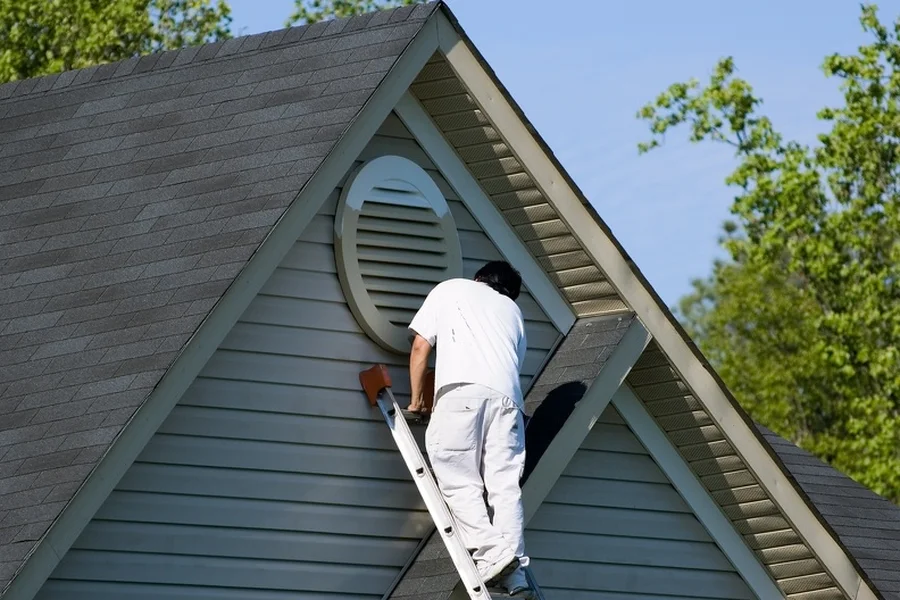
Applying primer is simple, but each step matters. Follow this basic order for the best results.
- Clean the surface well. Remove all dirt, chalky residue, and loose paint.
- Scrape and sand rough spots. Smooth edges where old paint has chipped.
- Repair minor damage. Fill small cracks or nail holes.
- Spot-prime bare wood or exposed areas first.
- Apply a full coat of primer if the surface is porous or stained.
- Allow proper drying time before adding your topcoat.
During exterior house painting, primer helps seal wood, stucco, or siding. It also blocks stains from water, rust, or knots in wood. Once dry, the surface will feel slightly rough. That texture helps the paint grab on and stay in place.
Common Mistakes to Avoid
Skipping primer is the biggest mistake. Many homeowners think paint and primer in one is enough. In some cases, it works. But on bare wood, heavy stains, or old peeling areas, a separate primer layer gives better results.
Another mistake is using the wrong type of primer. Wood, masonry, and metal often need different formulas. Using interior primer outside can lead to peeling fast.
Rushing the dry time is also a problem. If you paint too soon, the topcoat may not bond well. This can lead to bubbling or cracking within a year.
When to Call a Professional
Small touch-ups are fine for many homeowners. But large areas of peeling paint or signs of rot need more skill. If your home has high walls or detailed trim, it may also be safer to hire help.
A professional knows how to spot hidden issues. For example, soft wood under old paint can point to water damage. Simply priming over it will not fix the root problem. In full exterior house painting projects, proper prep can take more time than the painting itself.
If your last paint job failed in just a few years, poor priming may be the cause. A trained eye can tell you what went wrong and how to fix it the right way.
Final Recommendation
Primer may seem like an extra step, but it is the layer that helps everything else perform better. It improves bonding, blocks stains, and gives your paint a solid base. When done right, it can add years to the life of your exterior house painting project.
Get Help With Your Next Paint Project
If you are planning exterior house painting in Vero Beach, FL, I can help you get the prep and primer work done the right way. At Paradise Painting Treasure Coast LLC, I focus on solid surface prep so your paint job lasts as long as possible. Call me at (772) 212-6871 to talk about your home and what it needs before the first coat goes on.