
How to Get Cabinets Ready so the Paint Looks Smooth and Lasts
If you want your cabinets to have a smooth, factory-like look, prep work is the key. Preparing your kitchen cabinets the right way helps the paint stick, level out, and hold up for years. Rushing this stage often leads to peeling, brush marks, and chips. A clean, dull, and even surface gives Kitchen Cabinet Painting the best chance to look clean and professional.
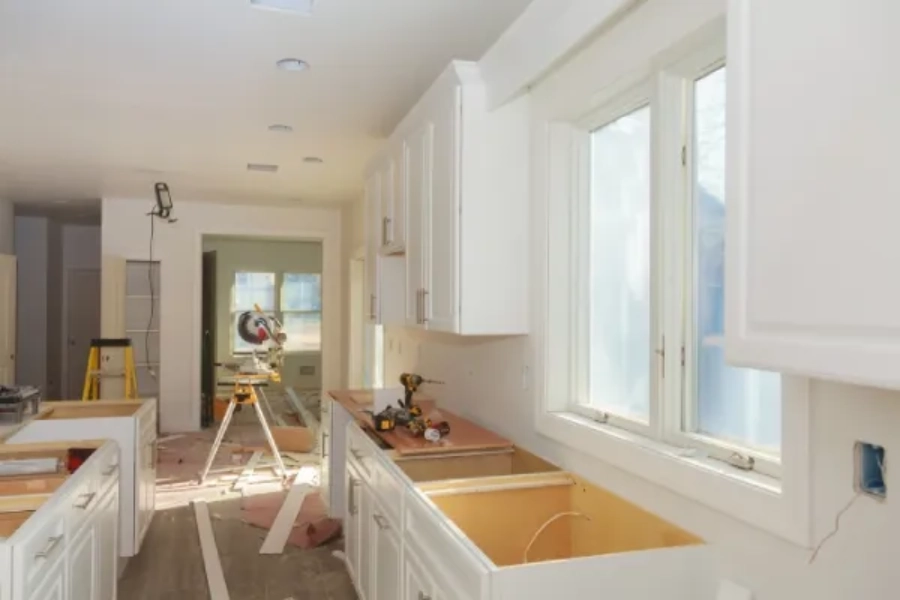
What You Need Before You Start
Before you pick up a brush or sprayer, gather your tools. Having everything ready will save time and stress.
- Screwdriver or drill to remove doors and hardware
- Painter’s tape and plastic sheeting
- Degreaser or heavy duty cleaner
- Sponges and lint-free rags
- Sandpaper in medium and fine grit
- Sanding block or power sander
- Wood filler for dents and holes
- High-quality primer
Set up a clean work area with good airflow. Label your doors and hinges as you remove them. This makes it easier to put everything back in the right spot later.
Step-by-Step Cabinet Prep Process
Follow these steps for solid prep work before any Kitchen Cabinet Painting begins.
- Remove doors and hardware. Take off all doors, drawers, hinges, and handles. Store screws in labeled bags.
- Clean every surface. Kitchen cabinets collect grease and food splatter. Use a strong cleaner and scrub well, especially near the stove.
- Rinse and let dry. Wipe off any cleaner residue with clean water. Let the cabinets dry fully.
- Fill dents and holes. Use wood filler to patch small damage. Once dry, sand it smooth.
- Sand all surfaces. Lightly sand to remove shine from old finish. You do not need to strip to bare wood in most cases. The goal is a dull, even surface.
- Remove dust. Vacuum and wipe down with a damp cloth. Dust left behind can ruin the final look.
- Tape and mask. Cover countertops, walls, and floors to protect them from primer and paint.
- Apply primer. Use a bonding primer made for cabinets. This helps the paint grip and blocks stains.
Take your time with each step. Many paint problems trace back to skipped or rushed prep.
Common Mistakes to Avoid
Even small errors can show up in the final result. Watch out for these issues:
- Painting over grease or dust
- Skipping sanding because the cabinets “look fine”
- Using wall paint instead of cabinet-grade products
- Applying thick coats to save time
- Not letting primer dry fully
Another mistake is leaving doors on the cabinets while painting. This often leads to drips and uneven coverage. Laying doors flat gives you a smoother surface.
When to Call a Professional
Some kitchens are simple. Others have heavy damage, deep grain, or layers of old paint. If your cabinets are made from laminate, thermofoil, or have peeling finish, special steps may be needed.
A professional crew has sprayers, drying space, and dust control systems. These tools help create a smooth look without brush strokes. If you want a factory-style finish, hiring a pro for Kitchen Cabinet Painting can save time and stress.
Large kitchens also take more time than most people expect. If you cannot have your kitchen out of use for several days, expert help may be the better choice.
Final Thoughts on Getting a Professional Look
Good prep work is the base of every successful cabinet project. Clean surfaces, careful sanding, and strong primer help your paint bond well. Skipping steps may seem faster, but it often leads to extra repairs later. When done right, painted cabinets can give your kitchen a fresh, updated feel without a full remodel.
Need Help With Your Cabinet Project?
If you are in Vero Beach, FL and want help getting your cabinets ready for a smooth, lasting finish, I can take care of the full prep and painting process from start to clean up. At Paradise Painting Treasure Coast LLC, I focus on detailed prep work so the final result looks clean and holds up to daily use. Call me at (772) 212-6871 to talk about your kitchen and see if professional cabinet painting is the right fit for your home.